Can You Power Wash Jointed Pavers?
We'll Save Your Joints! And You Know How Important That Is!
Can You Power Wash Pavers Without Removing The Sand?
Quick Answer
Yes. But how you clean the pavers matters.
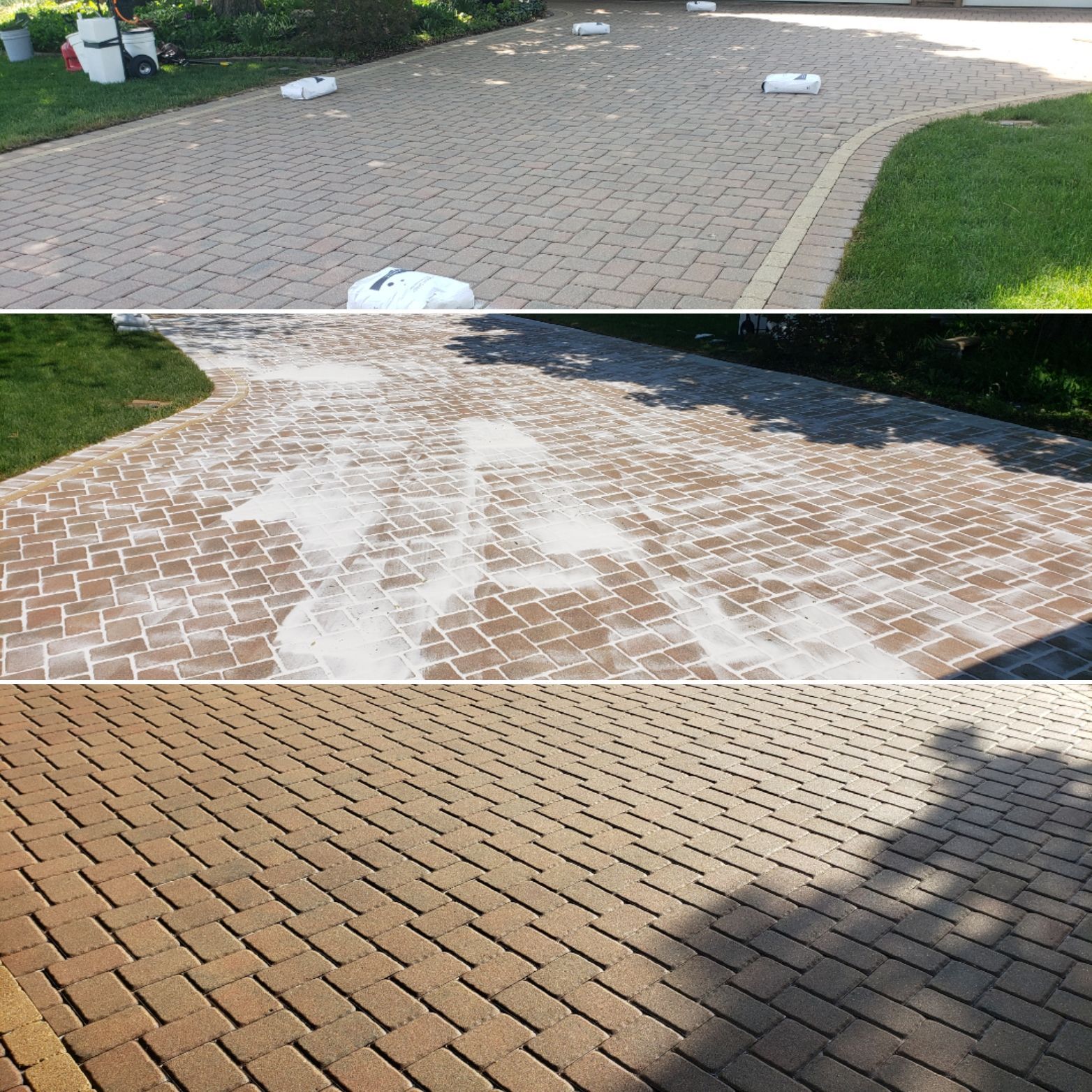
Why? Because homes throughout Rehoboth, Lewes, Milton and many newer developments throughout Sussex County, have paver patios, walkways and driveways with sand filled joints and other jointing material. Hit those joints directly with too much pressure, get too close or use the wrong spray angle, and you can wash some of that material out.
So cleaning pavers isn't a bad thing, but it's about more than getting the tops of the blocks clean…You have to pay attention to what's between them too.
At Sussex Pro Wash, that's why we look at the pavers, the joints, their condition and what's making everything dirty before deciding how to clean them.
Because blasting the dirt away isn't much of an accomplishment if the sand goes with it.
What's The Sand Doing There Anyway?
It isn't leftover material from when somebody installed your patio.
Joint sand is part of the paver system.
It fills the spaces between individual pavers and helps stabilize them. Depending on the installation, those joints may contain conventional joint sand, polymeric sand or another material intended for the application.
And that gives pavers something a solid concrete slab doesn't have: Lots and lots of joints. And those joints need to be considered when the surface is cleaned.
Yes, Pressure Can Remove Joint Sand
Paver manufacturers specifically warn about this. And We Pay Attention!
Unilock, for example, cautions against using high-powered pressure washing directly on paver surfaces and joints because it can damage the surface and displace joint sand. If enough material is removed during cleaning, the joints may need to be refilled afterward. If this happens, it doesn’t matter how good a “deal” you got on the pressure or power washing. Refilling the joints can cost you all the money you “saved”...and then some.
That's why simply pointing a pressure washer at a dirty paver patio and turning it loose isn't necessarily a good cleaning plan.
-Pressure matters.
-Distance matters.
-Spray angle matters.
-Where you point the water matters.
The dirt is supposed to leave. The patio isn't.
What About Polymeric Sand?
Polymeric sand deserves special attention because it's designed to bind together after installation and help resist erosion, weed growth and insects in paver joints. But it isn’t permanent.
Like any other jointing material, improper cleaning can still disturb or damage it, particularly if the joints are already deteriorating or a concentrated high-pressure stream is directed into them.
And sometimes the sand was already failing before the cleaning started.
Look closely at an older paver driveway or patio and you may find low joints, missing material, loose sand and even weeds growing through the joints—all before anybody brings out cleaning equipment.
That's worth knowing before you start.
Why Are My Pavers Turning Green?
Now we're back to an old Sussex County favorite.
- Moisture.
- Shade.
- Trees.
- Dirt.
- Organic material.
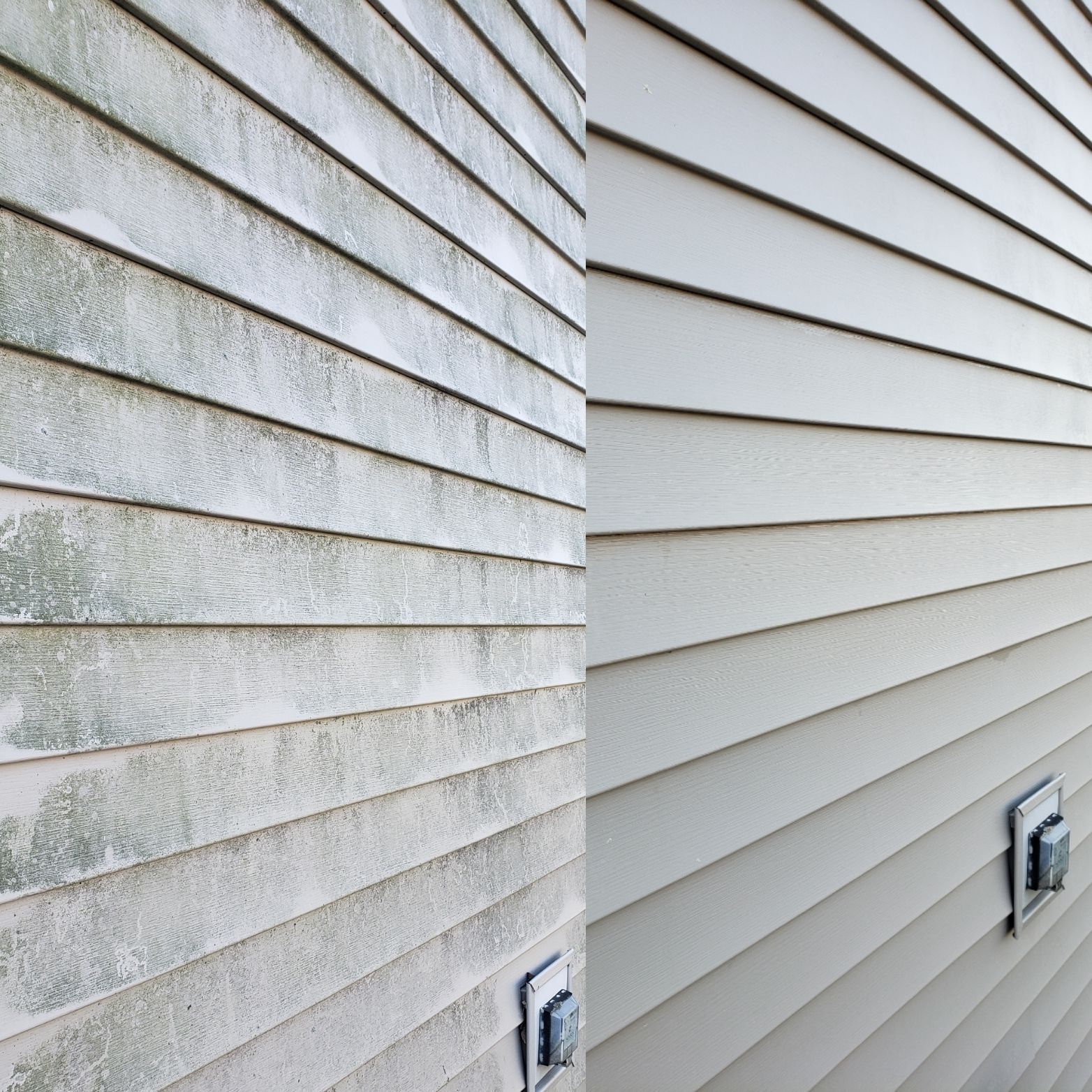
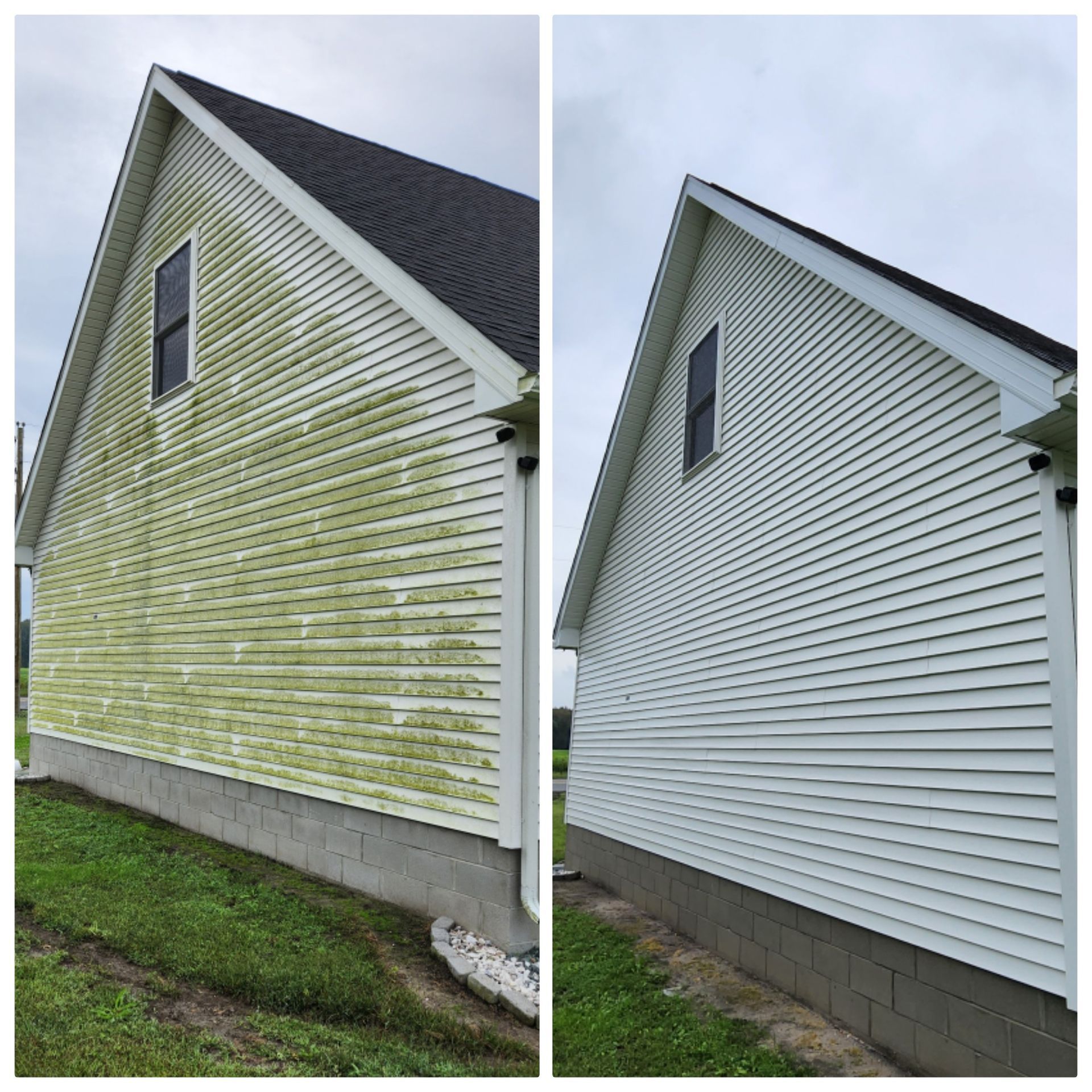
Paver areas that stay damp can develop algae, moss and other growth, particularly around shaded sections and joints. Manufacturer maintenance guidance specifically addresses moss and algae as normal paver-cleaning issues.
And the joints can collect dirt and organic debris too.
So if one section of your Rehoboth, Lewes or Bethany Beach patio keeps turning green, look at the conditions around it.
Does it get less sun?
Does water collect there?
Are trees overhead?
Is landscaping keeping it shaded?
Cleaning gets rid of what's there. Paying attention may tell you why it keeps coming back.
(Mold, Mildew or Algae? What's Really Growing on Your Delaware Beach Home?)
Clean The Pavers. Keep The Sand.
Pavers are made to be outside, so they're going to collect dirt, pollen, leaves, algae, food, grease and everything else that comes with using a patio, walkway or driveway.
It stands to reason that they should be cleaned. The trick is remembering that you're cleaning a system, not just a bunch of dirty blocks.
-Look at the surface.
-Look at the joints.
-Look at the existing condition.
-Identify what's making it dirty.
-Then clean accordingly.
Because if your goal is clean pavers, washing the sand down the driveway isn't part of the plan.
Clean the pavers.
Leave the patio where you found it.
SAVE YOUR JOINTS!