Don't Be Salty. Our Soft Power Washing Will Keep Your Delaware Beach Home In The Sweet Spot!
Salt Build Up Is No Day At The Beach

Quick Answer
If you think sand in your shorts is bad, try being a beach house. Soft Power Washing makes it feel better!
Living at or near the Delaware beaches means living with salt.
This is especially true for houses and businesses on the coast in Rehoboth, Lewes and Bethany Beach. But you don't have to be directly on the ocean for salt to affect your property. Wind carries tiny droplets and salt particles inland, where they settle on siding, windows, decks, railings, outdoor furniture, metal fixtures and other exterior surfaces. Add humidity, rain, sand, dirt and organic growth, and coastal homes can develop a layer of buildup that isn't always obvious until you start cleaning it away.
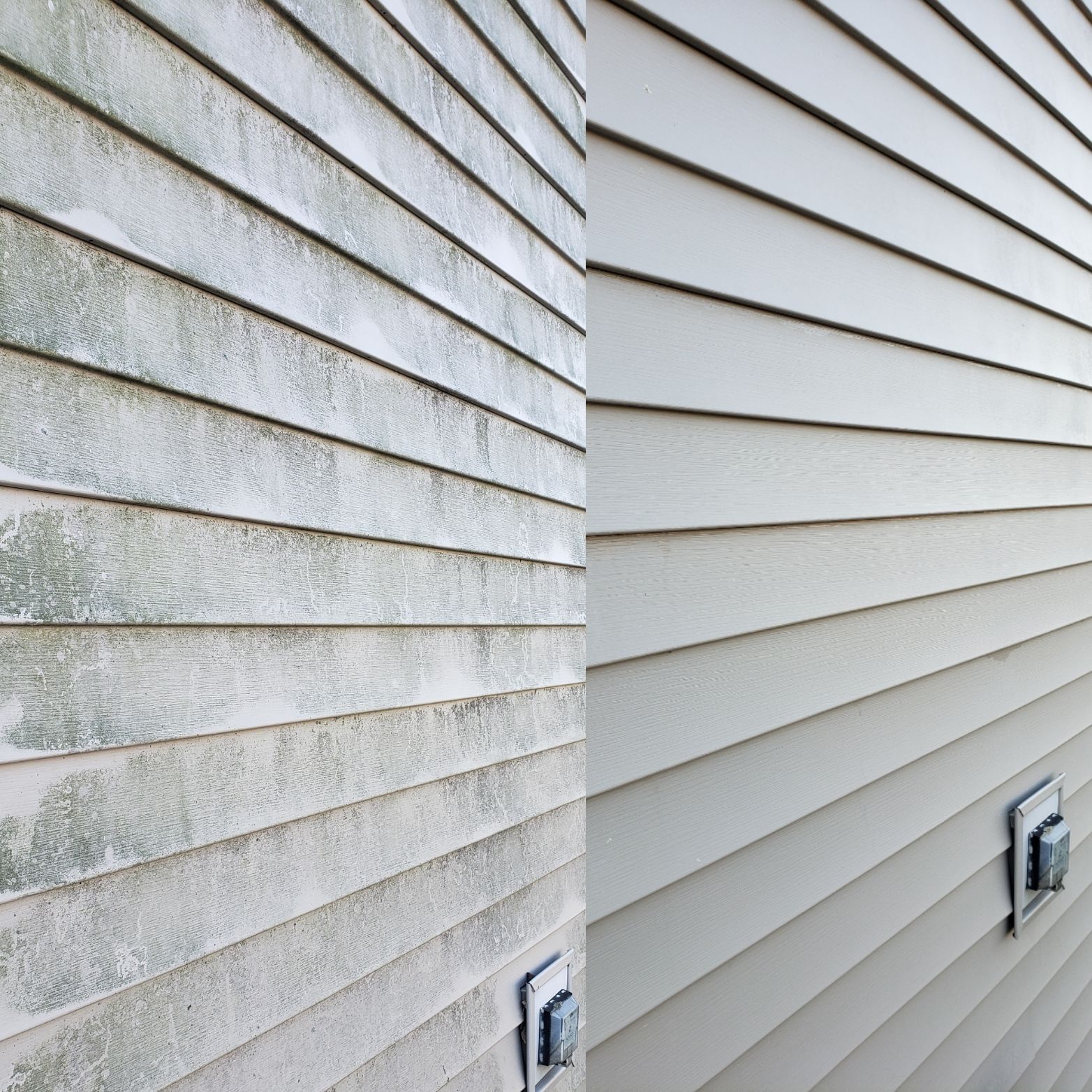
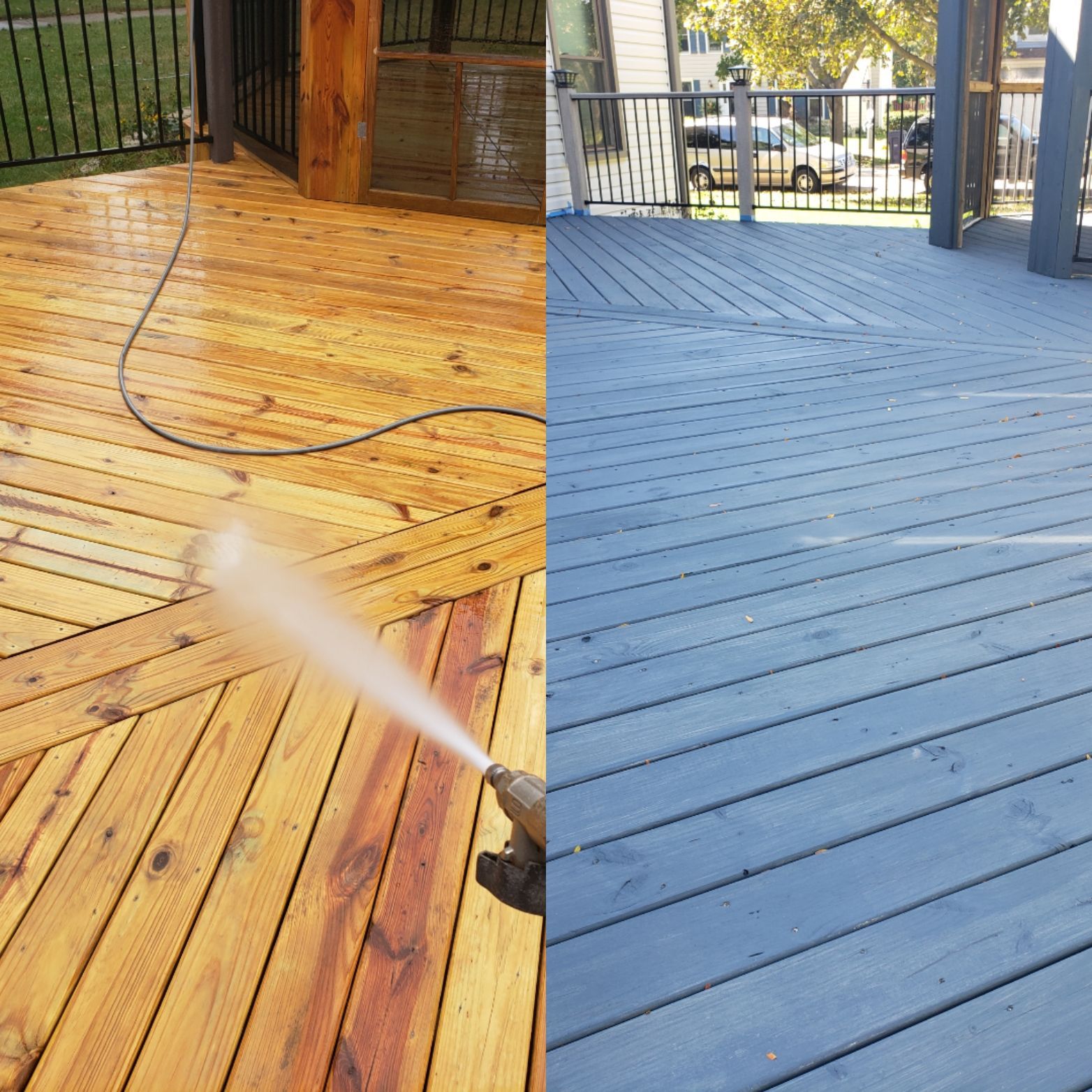
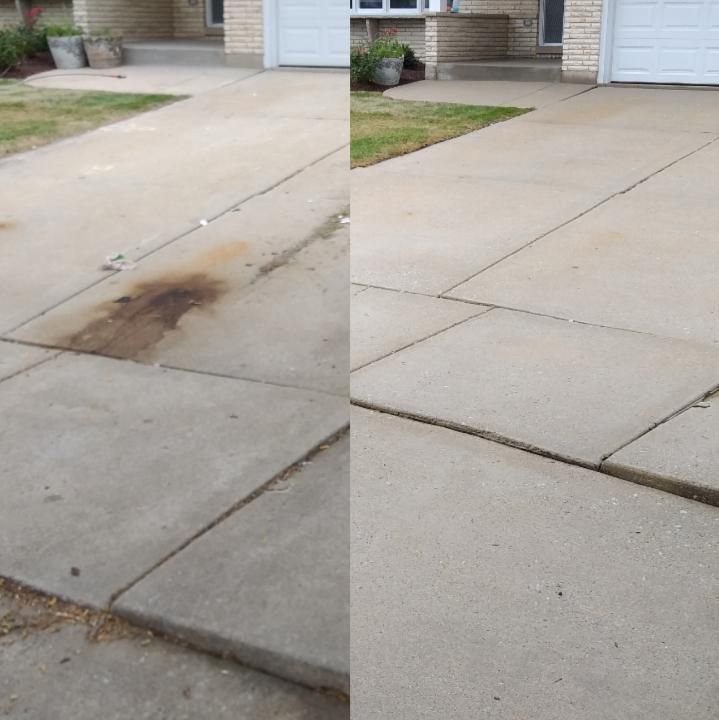
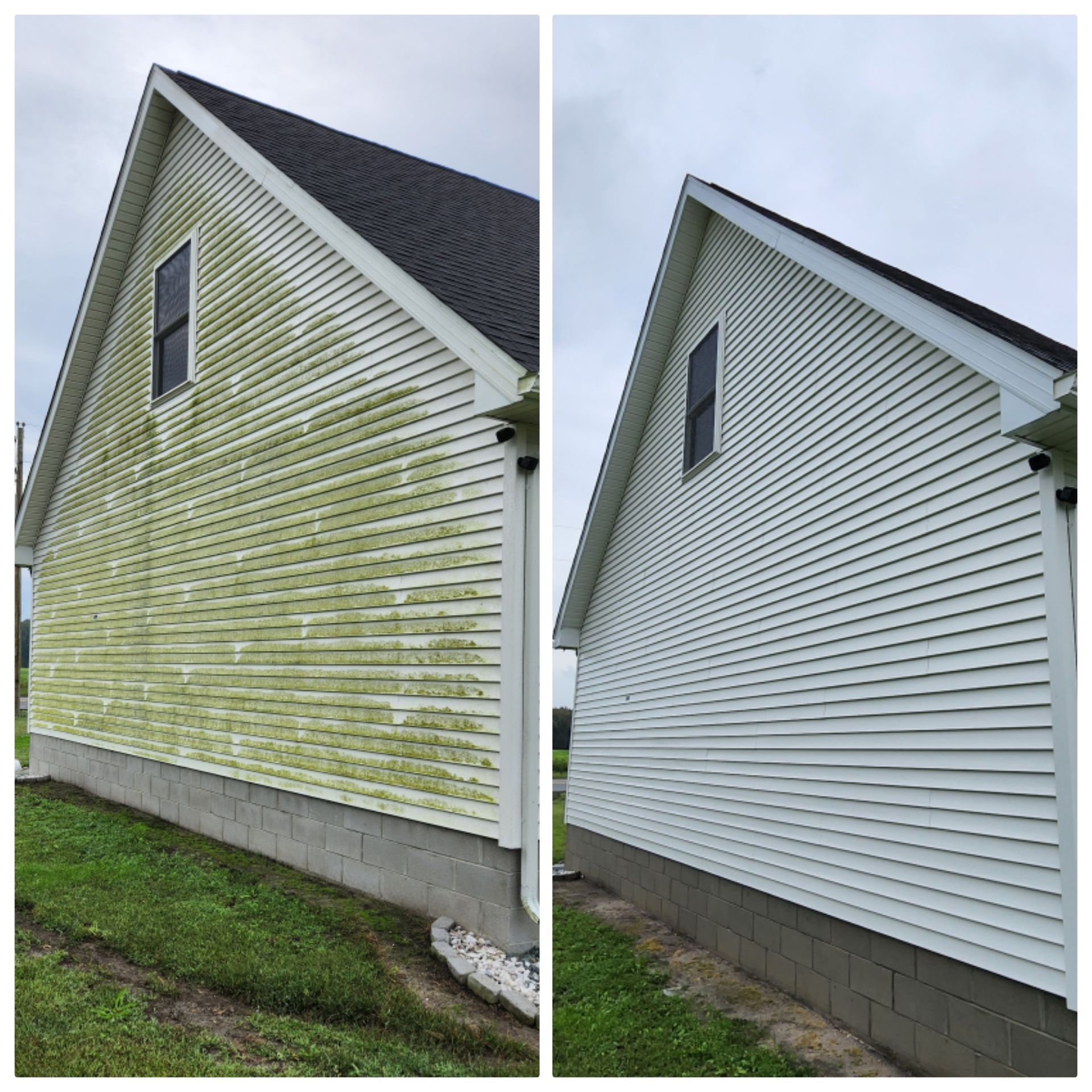
Regular exterior cleaning helps remove that accumulation before season after season gets added to it, and our soft power washing is an easy, fast and extremely cost-effective way to do it!
You Don't Have to See the Ocean to Live With It
Anyone who's spent time on Delaware’s coast has experienced salt air.
You can taste it.
Smell it.
Feel it on your skin.
You’ve seen what your car can look like after a few days on the beach.
Now imagine what’s on your house after seasons, months and years of salt build-up.
Salt itself doesn't mean your house is being destroyed. But repeated exposure can contribute to corrosion on susceptible metals, leave residue on exterior surfaces and combine with moisture and other contaminants to make coastal properties harder to keep clean.
Ocean spray produces tiny droplets that can be carried by wind. The water eventually evaporates, but some of the material dissolved in it can remain behind.
How much reaches a particular property depends on distance from the water, prevailing winds, storms, surrounding buildings, trees and other local conditions.
That's why two homes only a short distance apart may experience coastal exposure differently.
Salt Rarely Arrives Alone
Here's where coastal exterior maintenance gets interesting.
Salt isn't landing on a laboratory-clean house.
It's joining everything else already there.
- Pollen.
- Dust.
- Sand.
- Dirt.
- Algae.
- Mildew.
- Tree debris.
- Bird droppings.
Humidity provides moisture. Wind delivers more material. Rain washes some things away while moving others around.
Over time, those ingredients can create the dull, dirty film familiar to anyone who owns property near the Delaware beaches.
The question isn't simply:
Is there salt on my house?
It's:
What has accumulated there with it?
Precious Metal
Salt and moisture are especially unfriendly to many metals.
Exterior fasteners, railings, light fixtures, hardware, HVAC components, furniture and other exposed metal surfaces can all experience corrosion, depending on the material and protective finish.
That doesn't mean washing your house makes metal immortal.
It doesn't.
Coatings age. Finishes become damaged. Different metals react differently to coastal environments.
But allowing salt-containing residue to remain indefinitely doesn't improve the situation.
Cleaning helps remove contaminants from surfaces and gives you something else that's valuable: A chance to actually see what's happening underneath them.
Windows Tell the Story
Sometimes the easiest place to notice coastal residue is glass.
Windows near the beach can develop a haze or film surprisingly quickly.
That's partly because glass makes residue easy to see, but it also illustrates something happening elsewhere on the property.
If wind can deposit material on your windows, it can deposit it on siding, trim, railings and other exposed surfaces too.
The difference is that a cloudy window gets your attention.
A light-colored piece of siding may not.
Your Home Has a Windward Side Too
Remember how different sections of the same roof can experience different conditions?
The same principle applies to the rest of the house.
One side may receive more direct wind.
Another may remain protected.
Trees or neighboring buildings may shelter portions of the property.
Covered areas can behave differently from completely exposed ones.
Even balconies, railings and architectural details can create places where debris and moisture collect.
That's one reason exterior cleaning schedules shouldn't automatically be identical for every coastal property.
The environment isn't identical.
Rehoboth Isn't Milton — And Neither Is Bethany
A home close to the ocean in Rehoboth Beach or Bethany Beach may experience a different level of salt exposure than a property farther inland around Milton.
Lewes presents its own mix of bay, coastal and inland conditions.
Even within the same community, exposure varies according to location, wind and surroundings.
There isn't an invisible line where coastal maintenance suddenly becomes necessary.
There are simply properties experiencing different amounts of the same environment.
That's why paying attention to your house matters more than following somebody else's maintenance schedule.
Cleaning Doesn't Mean More Pressure
Salt residue sounds stubborn.
That doesn't mean the answer is attacking every surface with high pressure.
We've talked about this before.
Different materials require different cleaning approaches.
Vinyl siding isn't concrete.
Painted trim isn't brick.
Wood isn't metal.
And roofing materials create another set of considerations entirely.
Professional exterior cleaning combines the appropriate amount of pressure, water volume and cleaning solutions for the surface and the condition being treated.
The goal is removing unwanted buildup.
Not seeing how much force the house can withstand.
Rinsing Matters
Sometimes cleaning is as much about what gets carried away as what gets broken loose.
Thorough rinsing helps move dissolved and loosened material off the surface rather than simply redistributing it somewhere else.
That's particularly relevant when dealing with salt-containing residue.
Water is one of the simplest tools available for removing soluble salts.
But once salt has mixed with dirt, biological growth and other contaminants, cleaning becomes more than simply spraying the house with a garden hose.
The objective is to loosen the buildup and then get it off the property surfaces where it doesn't belong.
Coastal Maintenance Isn't About Fighting the Coast
There's an easy mistake to make when talking about salt, humidity, storms and exterior maintenance:
Making living near the beach sound like a terrible idea.
It isn't.
There's a reason people want to live in Rehoboth, Lewes, Bethany Beach and throughout coastal Sussex County.
The same environment that makes these places beautiful simply asks a little more from the things we build there.
- Cars need attention.
- Outdoor furniture needs attention.
- Boats certainly need attention.
- And houses aren't exempt.
Regular cleaning isn't about defeating the coastal environment.
It's about living with it.
Pay Attention Before the Buildup Gets Your Attention
You don't necessarily need a rigid cleaning schedule.
Look at the property.
Does the siding seem dull?
Are windows developing film?
Is green growth appearing in shaded areas?
Are railings or exterior fixtures showing residue?
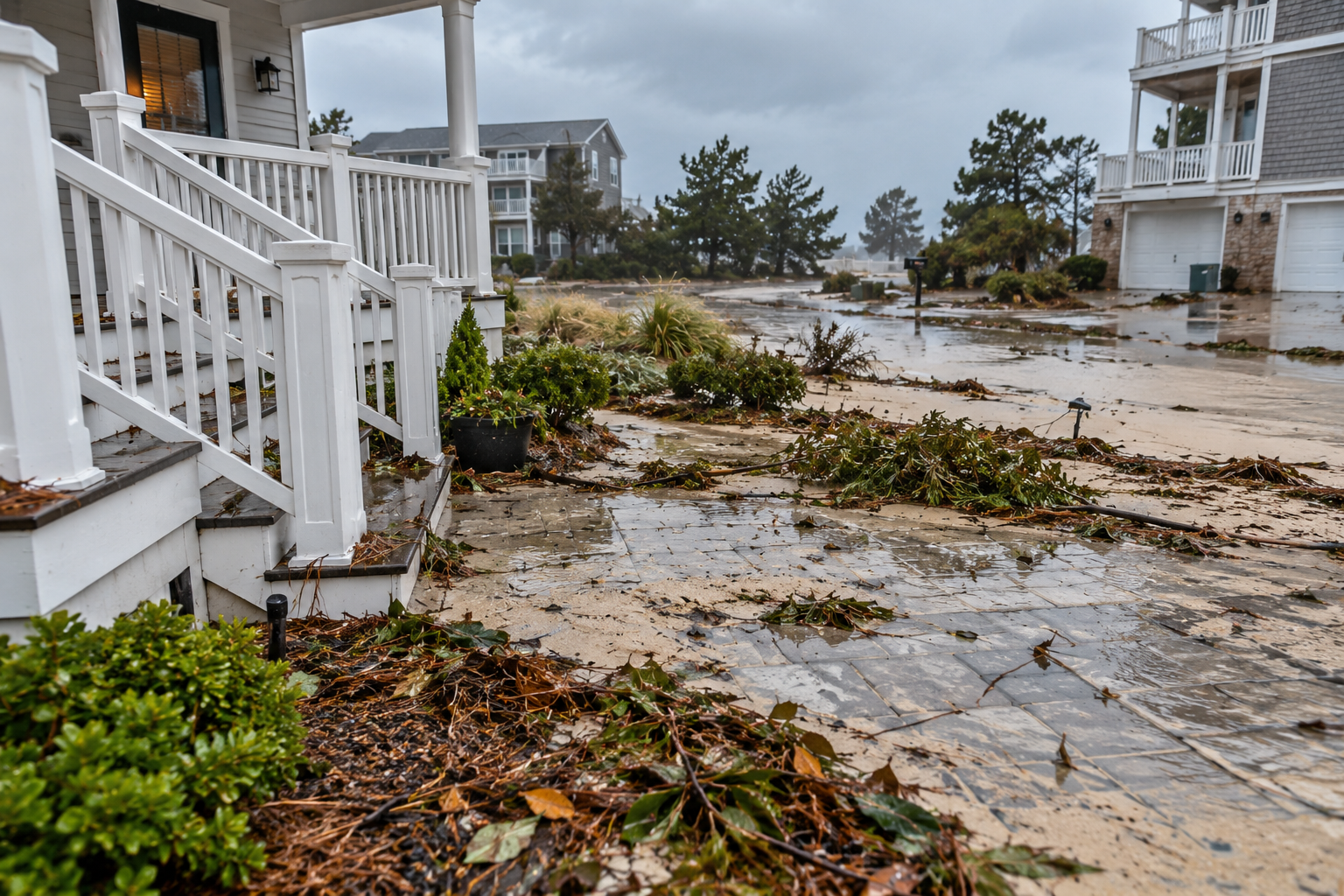
Has the house been through a particularly windy or stormy season?
Those observations tell you something.
Properties with greater exposure may need attention more frequently. More protected homes may go longer between cleanings.
The important thing is not allowing years of accumulation to become the maintenance plan.
The Bottom Line
Salt is simply part of living near the Delaware coast.
So are wind, humidity, sand, rain, trees, pollen and everything else the environment delivers to your property.
You can't stop any of them from arriving.
You can control how long you allow what they leave behind to stay there.
At Sussex Pro Wash, we approach coastal exterior cleaning the same way we approach roofs, gutters and other surfaces: understand the condition, understand the material and use a cleaning method appropriate for both.
Because taking care of a coastal home isn't about protecting it from the place you chose to live.
It's about taking care of it because of the place you chose to live.
And sometimes, the biggest difference between a home that looks tired and one that looks cared for isn't age.
It's maintenance.