Roof Cleaning in Sussex County: What's Growing Up There and Why Should You Care.
Your Roof Has A Job To Do. Soft Power Washing Helps It Do It Better For Longer.
Quick Answer
Your roof’s main job is protecting everything underneath it. Unfortunately, doing that means spending every day exposed to everything above it.
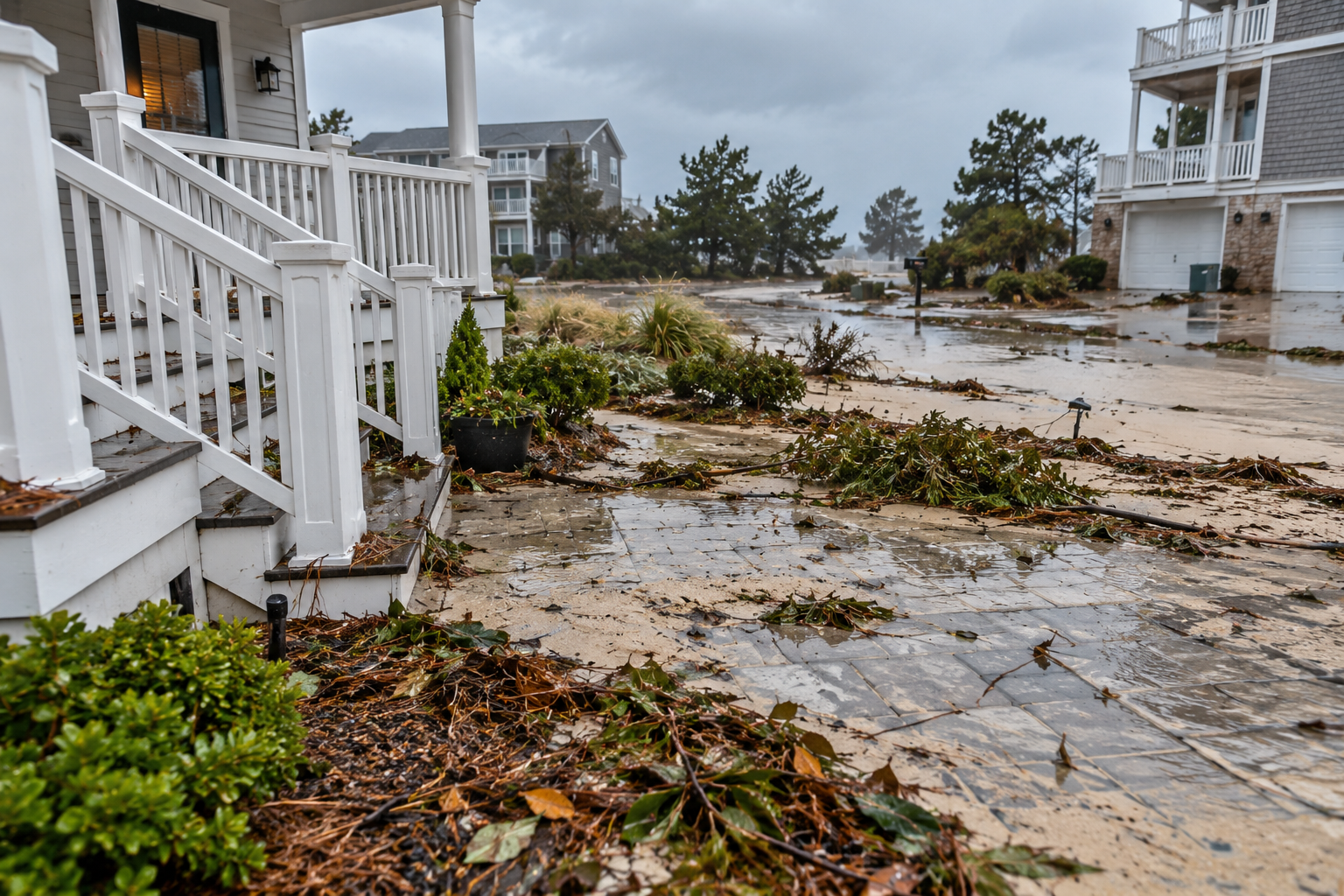
Homes in Rehoboth, Lewes, Bethany Beach, Milton and throughout Sussex County experience a constantly changing combination of conditions that can leave roofs stained, covered with debris or supporting biological growth. Some of these problems affect appearance. Others affect performance; retained moisture can drastically change your roof’s operating system, and not for the better.
The question is, How do you prevent it? The answer is, not by attacking your roof with more pressure. It’s by cleaning and protecting it with correct pressure, environmentally safe cleaning solutions and knowing how to get the most out of them so you can get the most out of your roof.
Sun. Rain. Wind. Humidity. Falling leaves. Tree debris. Dirt. Algae. Moss.
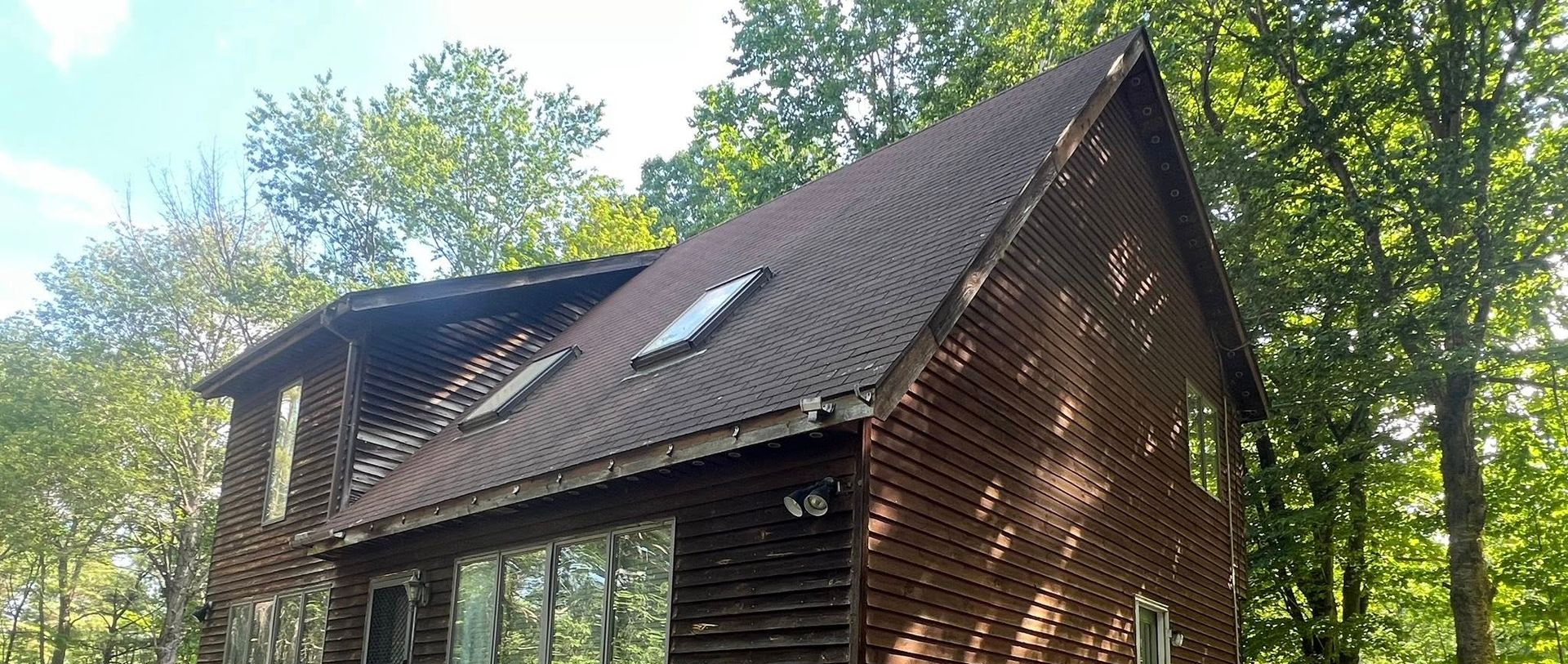
Those dark streaks running down asphalt shingles are often algae rather than dirt or mold. Green, thicker growth may be moss. Leaves, pine needles and other debris can collect in valleys, around gutters and anywhere else they find a place to stay. Soft power washing is the simple, inexpensive way to prevent all of this from becoming a problem.
Shingles
Asphalt shingles, cedar, metal and other roofing materials have different needs. Proper roof cleaning starts by identifying what's up there, understanding what the roof is made of, and choosing a cleaning method that removes the problem without creating a new one.
Safety Matters!
And since roofs are high, steep and surprisingly slippery, there's another advantage to professional roof cleaning:
You don't have to go up there.
Your Roof Never Gets a Day Off
Think about what the exterior walls of your house experience.
Now turn them toward the sky.
That's your roof.
Summer sun beats directly onto it.
Rain lands on it.
Wind pushes dirt, leaves, pollen and other debris across it.
Trees drop whatever trees happen to be dropping that week.
Shade can keep sections damp long after other parts have dried.
And through all of it, the roof continues doing what it was designed to do: Protecting your home.
That's why roof maintenance deserves more attention than simply asking whether the shingles still look good from the driveway.
What Are Those Black Streaks?
If you've noticed dark streaks running down an asphalt-shingle roof, your first thought may be dirt. Or mold.
Quite often, it's algae, a common organism associated with dark roof staining. Gloeocapsa magma, an airborne blue-green algae that can be transported by wind and rain. It tends to become particularly noticeable in humid environments and on roof areas that stay damp longer.
That's also why one side of your roof may look considerably different from another.
A section getting strong sunlight may dry relatively quickly after rain.
Another section shaded by trees or facing away from prolonged direct sunlight may stay damp much longer.
Same house.
Same roof.
Different environment.
Algae and Moss Aren't the Same Problem
This is where appearance can become misleading.
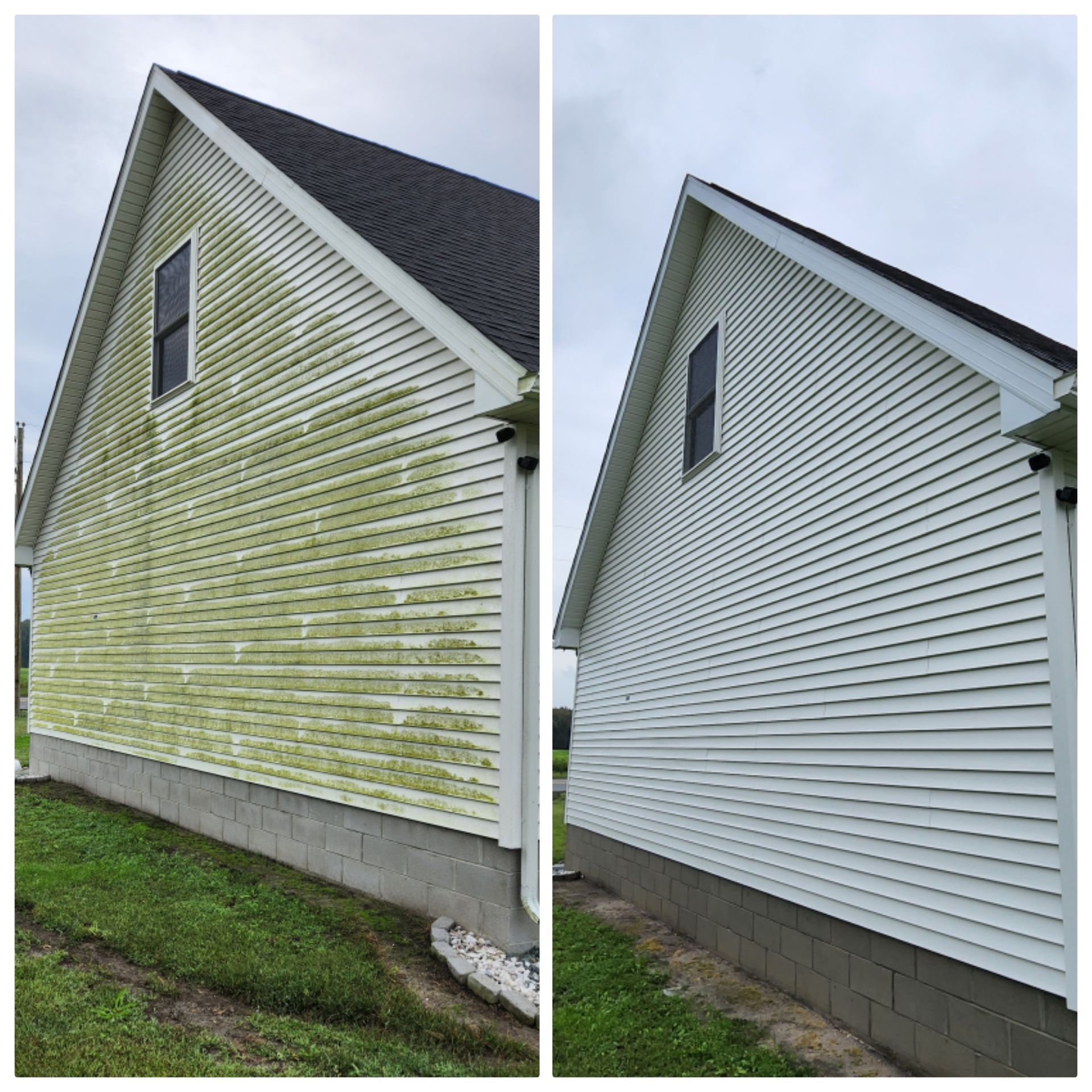
Algae often creates dark streaking or discoloration. On asphalt shingles, that can primarily be an appearance problem.
Moss is different.
Moss forms thicker growth and holds moisture. As it becomes established, it can grow around and beneath shingle edges, potentially lifting them and interfering with the roof's ability to shed water properly.
So while both may make a roof look dirty, they aren't necessarily creating the same condition.
Sound familiar?
It's the same principle we discussed with mold, mildew and algae on the rest of your home's exterior. What's growing matters.And so does what it's growing on.
Trees Give Us Shade—and Plenty More
Trees around a home can be beautiful. They can also make roof maintenance considerably more interesting.
- Overhanging branches create shade.
- Leaves accumulate.
- Pine needles collect.
- Twigs fall.
- Pollen settles.
- Organic material can gather in roof valleys and along roof edges.
Shade slows evaporation, while accumulated debris can help hold moisture against roofing surfaces.
Branches can also physically contact roofing during windy weather.
None of that means trees are bad for your house. It simply means a heavily wooded property may have different roof-maintenance needs than a house sitting in full sun.
That's why maintenance schedules should fit the property instead of the calendar.
And Then There's the Sun
Shade isn't the only thing your roof has to deal with.
The opposite side of the equation is constant exposure to sunlight.
Roofing materials are designed to live outdoors, but that doesn't mean they're immune to aging.
Years of ultraviolet exposure, temperature changes and weather gradually take their toll.
Cleaning can't stop the sun.
And it can't make an old roof new.
What proper cleaning and maintenance can do is avoid adding unnecessary stress to a roofing system that's already spending its entire life exposed to the elements.
That's particularly important when deciding how a roof should be cleaned.
More Pressure Can Create More Problems
A pressure washer is extremely useful but your asphalt-shingle roof is not necessarily the place to demonstrate how powerful it is.
High-pressure washing can loosen or remove the protective granules on asphalt shingles and may damage the roofing surface.
Once they're gone, putting them back isn't part of the cleaning process.
That's why roof cleaning requires a different mindset than cleaning a concrete driveway.
At Sussex Pro Wash, we know the pressure should fit the surface—not the other way around.
That means using controlled, low-pressure cleaning methods and appropriate cleaning solutions when the roofing material and conditions call for them.
The objective isn't to blast the roof clean.
It's to get the roof clean without damaging the roof.
There is a difference.
Roof Cleaning Is Chemistry Too
Just as with siding, decks and other exterior surfaces, water pressure isn't the only tool available.
Cleaning solutions can help treat biological growth so mechanical force doesn't have to do all the work.
That matters enormously on roofing materials where unnecessary force can create damage.
The particular roof, roofing material and type of buildup should determine the cleaning approach.
Not habit.
Not convenience.
And definitely not how high the pressure washer can go.
The best roof-cleaning method is the one that gets the job done while respecting the material underneath.
Don't Forget What's at the Bottom of the Roof
Everything moving down your roof eventually reaches something else we've talked about before: Your gutters.
- Leaves.
- Pine needles.
- Twigs.
- Dirt.
- Rainwater.
- Material loosened from trees.
All of it travels toward roof edges and gutter systems.
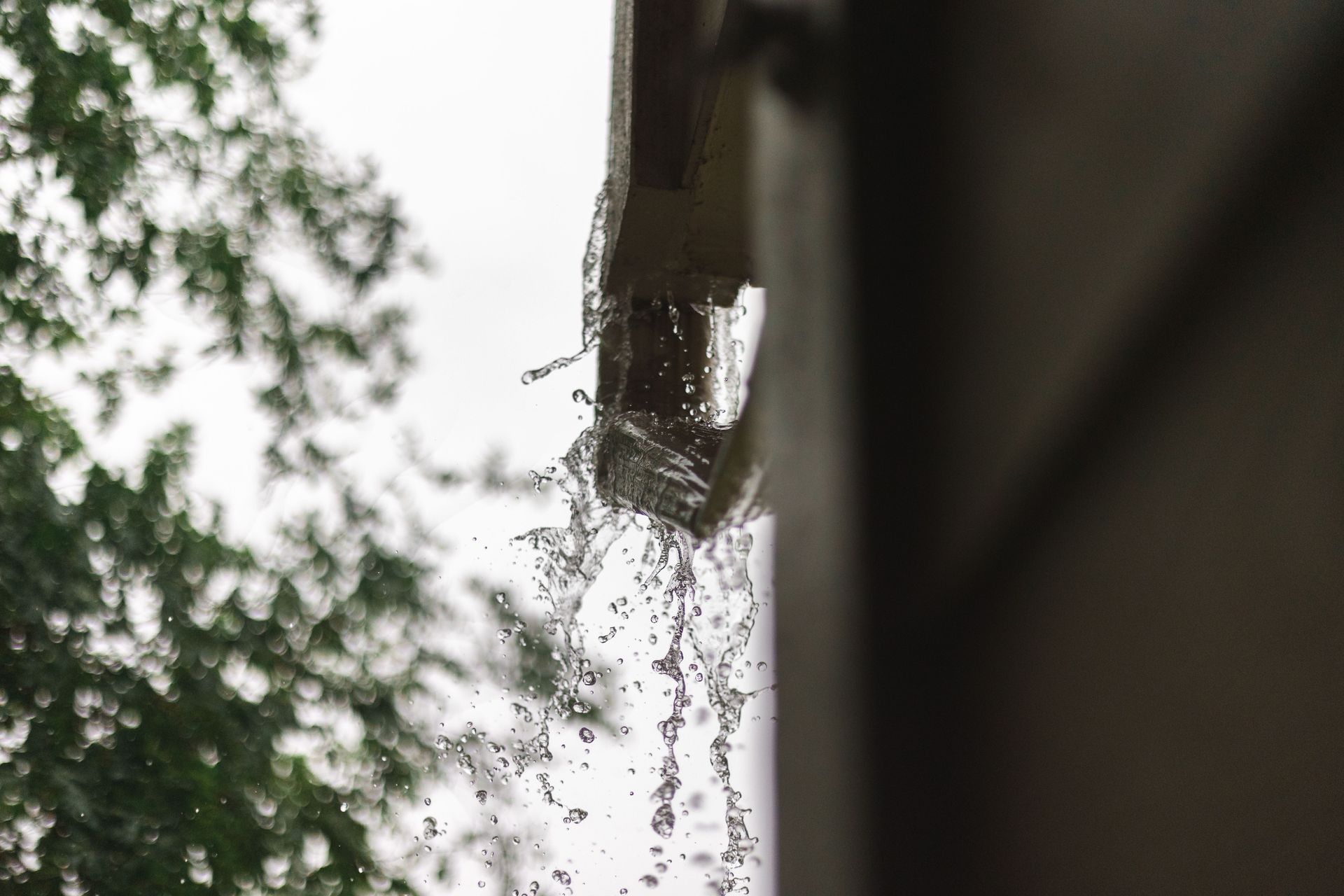
Clean, functioning gutters help move water away from the roof and ultimately away from the home. When debris prevents that drainage system from doing its job, water can end up where it shouldn't.
That's why roof and gutter maintenance aren't really separate conversations.
They're two parts of the same water-management system.
Keeping one maintained while ignoring the other doesn't make much sense.
The Safest Roof to Clean Is the One You Don't Have to Climb
There's another reason professional roof cleaning makes sense that has nothing to do with algae.
Gravity.
Roofs are high and many are steep. And once cleaning begins, surfaces can become wet and slippery.
Even getting onto a roof usually starts with climbing a ladder.
You shouldn't have to risk a fall just because something ugly is growing over the garage.
Professional soft powerwashing equipment and cleaning methods can allow much of the work to be performed more safely and efficiently, while trained professionals can determine how a particular roof should be accessed and treated.
Sometimes the smartest home-maintenance decision is knowing which jobs don't belong on your weekend to-do list.
Roof cleaning is a pretty good candidate.
Maintenance Starts Before the Roof Looks Bad
One of the themes we've returned to again and again is preventive maintenance, and there's a reason.
Problems are generally easier to manage before they're large enough to demand attention.
Roof maintenance is no different.
- A few dark streaks.
- A patch of moss.
- Leaves collecting beneath an overhanging tree.
- Gutters beginning to fill.
None necessarily means your roof is failing. But they're worth noticing.
Regular cleaning and inspection help keep debris and unwanted growth from simply being allowed to accumulate year after year.
More importantly, a clean roof makes changes easier to see.
Maintenance isn't about looking for something to worry about.
It's about dealing with small things while they're still small.
Every Roof Is Different
A shaded home beneath mature trees in Lewes isn't experiencing exactly the same conditions as an exposed beach property in Bethany.
A Rehoboth house surrounded by neighboring buildings may have different sun, wind and moisture patterns than a more open property outside Milton.
Even different sections of the same roof can experience different conditions.
And then there are the roofing materials themselves.
- Asphalt shingles.
- Metal.
- Cedar.
- Other specialty materials.
Each has characteristics that need to be considered before cleaning begins.
That's why "roof washing" shouldn't describe one universal procedure.
It should describe the objective.
A clean roof, achieved with a process appropriate for that roof.
The Bottom Line
Your roof spends its life protecting your home from the environment.
Taking care of it means paying attention to what that environment leaves behind.
- Dark algae streaks.
- Moss.
- Leaves.
- Pine needles.
- Dirt and organic debris.
- Some affect appearance.
- Some retain moisture.
- Some interfere with drainage.
All of them deserve to be addressed with a cleaning method appropriate for the roofing material underneath.
At Sussex Pro Wash, we don't believe protecting your roof means attacking it with the most pressure available.
We believe it means understanding the roof, identifying the condition and choosing the safest, most effective way to clean it.
Because the best roof cleaning doesn't just leave you with something better to look at.
It respects the thing standing between everything you own and everything Mother Nature can throw at it.
And here in coastal Delaware, Mother Nature throws a little something extra into the mix.
Salt.
But salt doesn't arrive by itself. It comes with wind, moisture, rain, sun and everything else that makes living near the Delaware beaches beautiful—and occasionally a little harder on the things we own.
That's where we're headed next.