Delaware Beach Storm Clean Up
Mother Nature Did Her Job. Now We'll Do Ours.
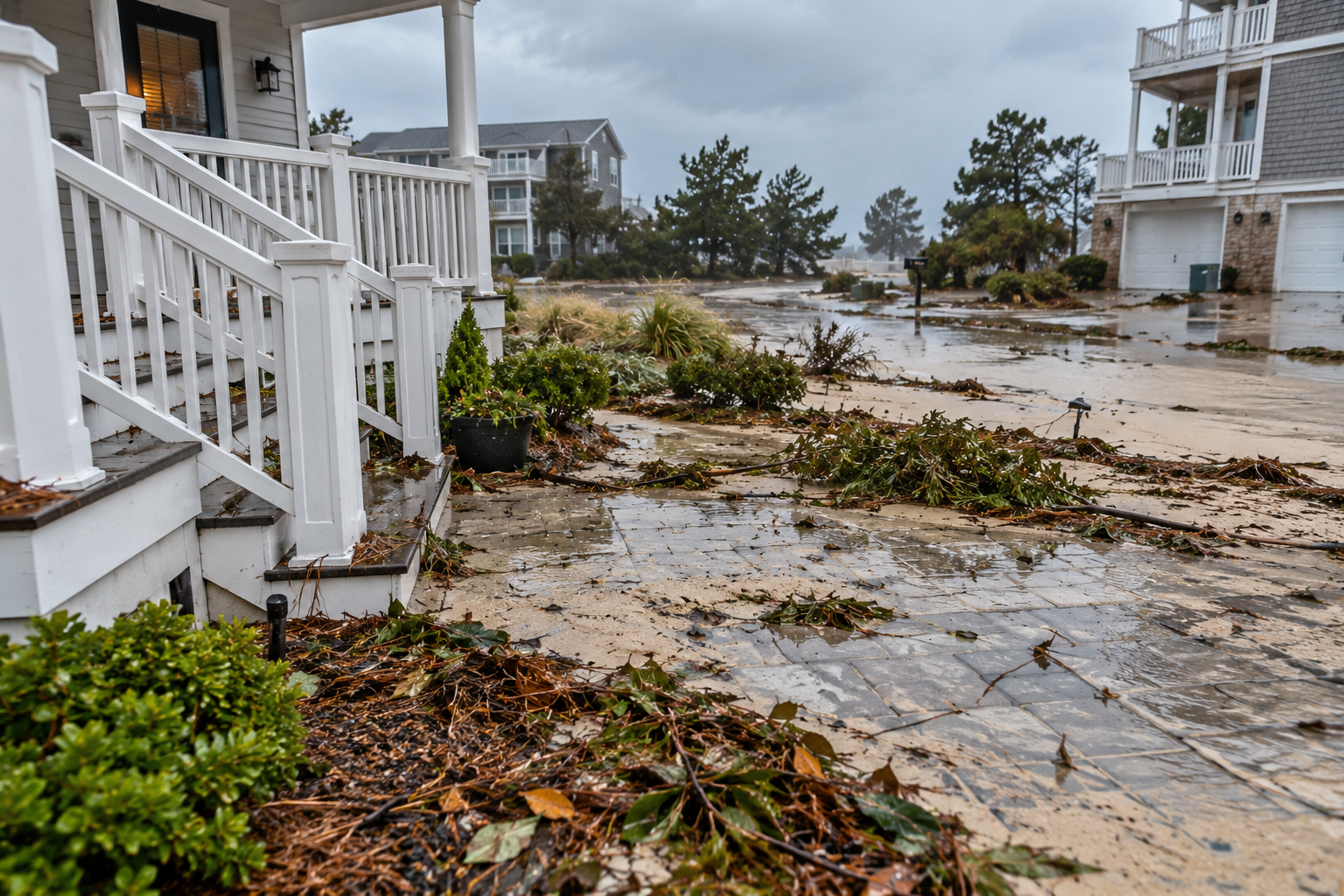
The Storm Is Over. Now Clean Up The Mess.
Quick Answer
A Delaware storm can be gone in a few hours. The mess it leaves behind can stick around a lot longer.
Wind and heavy rain can leave your home, business and outdoor spaces covered with leaves, sticks, mud, sand, dirt and debris. Gutters can clog or overflow. Siding gets dirty. Driveways, sidewalks, patios and decks can be covered with whatever the storm washed, dropped or blew onto them.
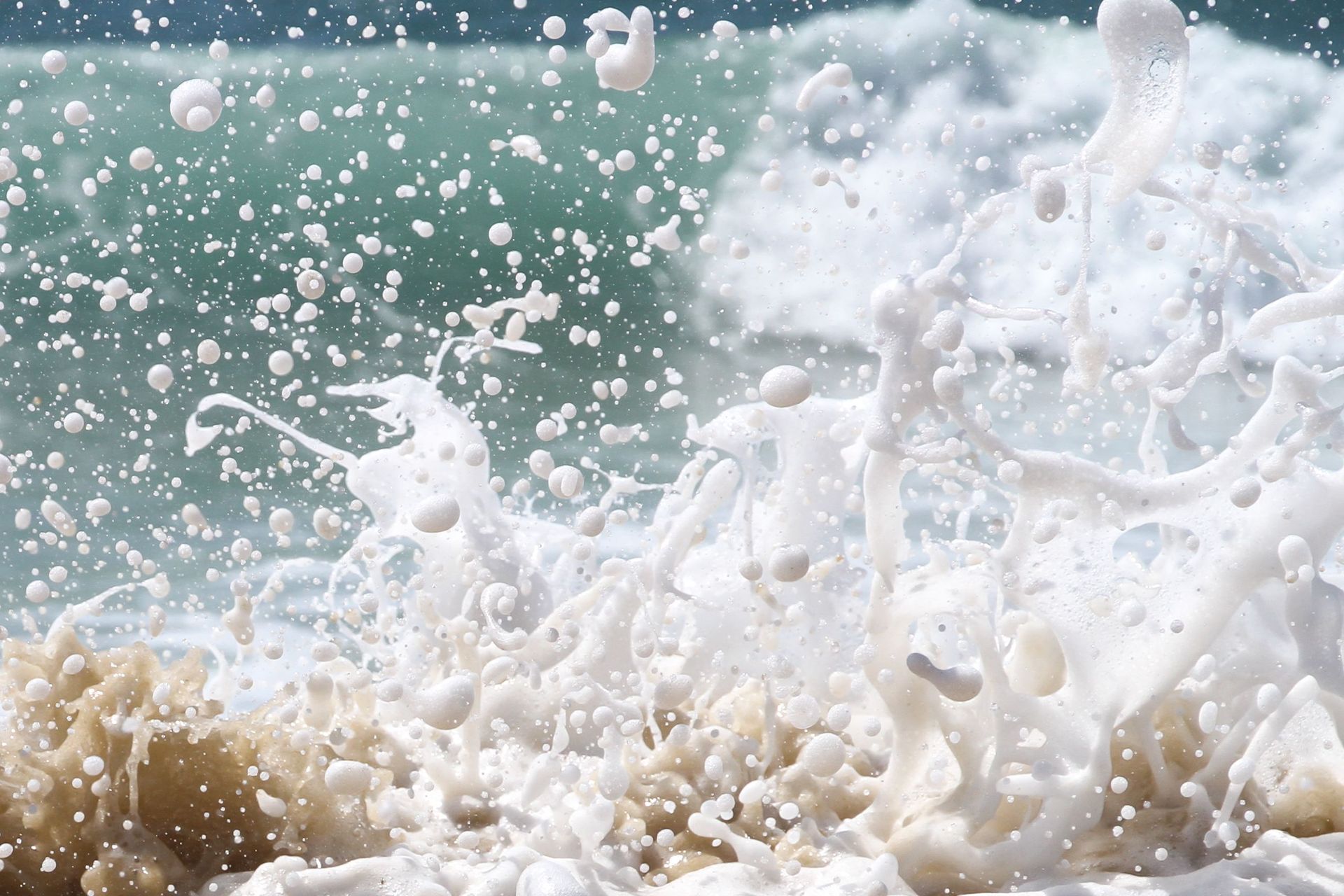
And near Rehoboth Beach, Lewes, Bethany Beach and other coastal areas of Sussex County, storms can bring an extra helping of salt and sand along for the ride.
Once the weather clears, take a walk around your property.
If the storm made the mess, Sussex Pro Wash can help clean it up.
Have a bigger mess? Keep reading. Storms are surprisingly good at finding places around your property you weren't thinking about.
Start At The Top
After heavy rain and wind, one of the first places worth looking is your gutters.
Leaves, pine needles, twigs and other debris can collect quickly, especially if the storm arrived after a dry period when material was already sitting on the roof.
And here's the important part:
A gutter doesn't have to be completely clogged to become a problem.
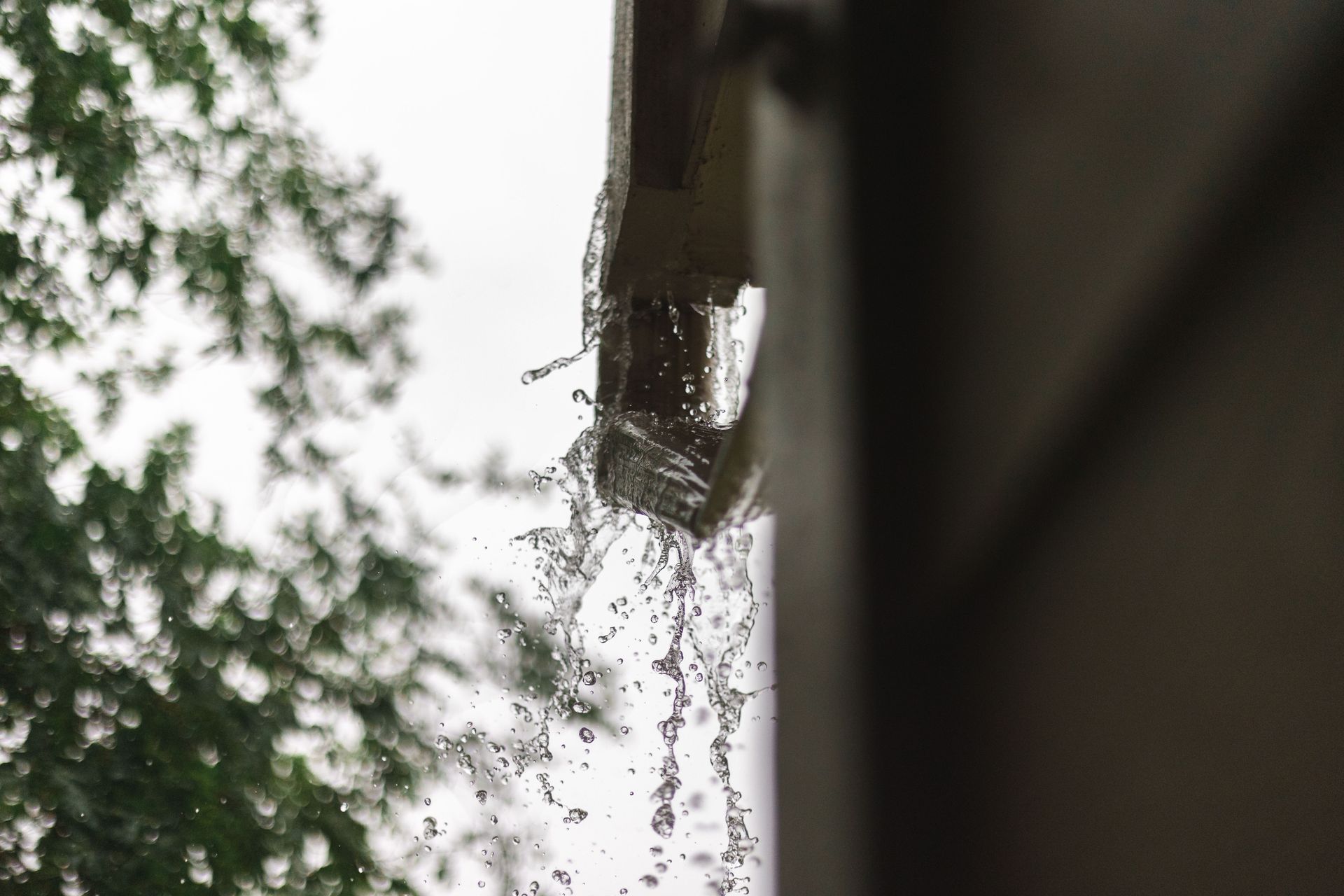
If debris restricts water flow, the next heavy rain can send water over the edge instead of through the downspout and away from the building.
If you saw your gutters overflowing during the storm, don't ignore what they just told you.
Why Are My Gutters Overflowing During Heavy Rain?
Gutter Cleaning Near You in Sussex County
Look At What The Wind Left Behind
Storm cleanup isn't always about damage.
Sometimes it's simply about filth.
Wind can plaster wet leaves against siding.
Dirt and organic debris collect around foundations, steps and walkways.
Branches and leaves cover decks and patios.
Water carries mud across sidewalks and driveways.
And once all that wet material settles somewhere, leaving it there doesn't make it cleaner.
After the obvious branches and debris have been picked up, exterior cleaning can take care of what remains.
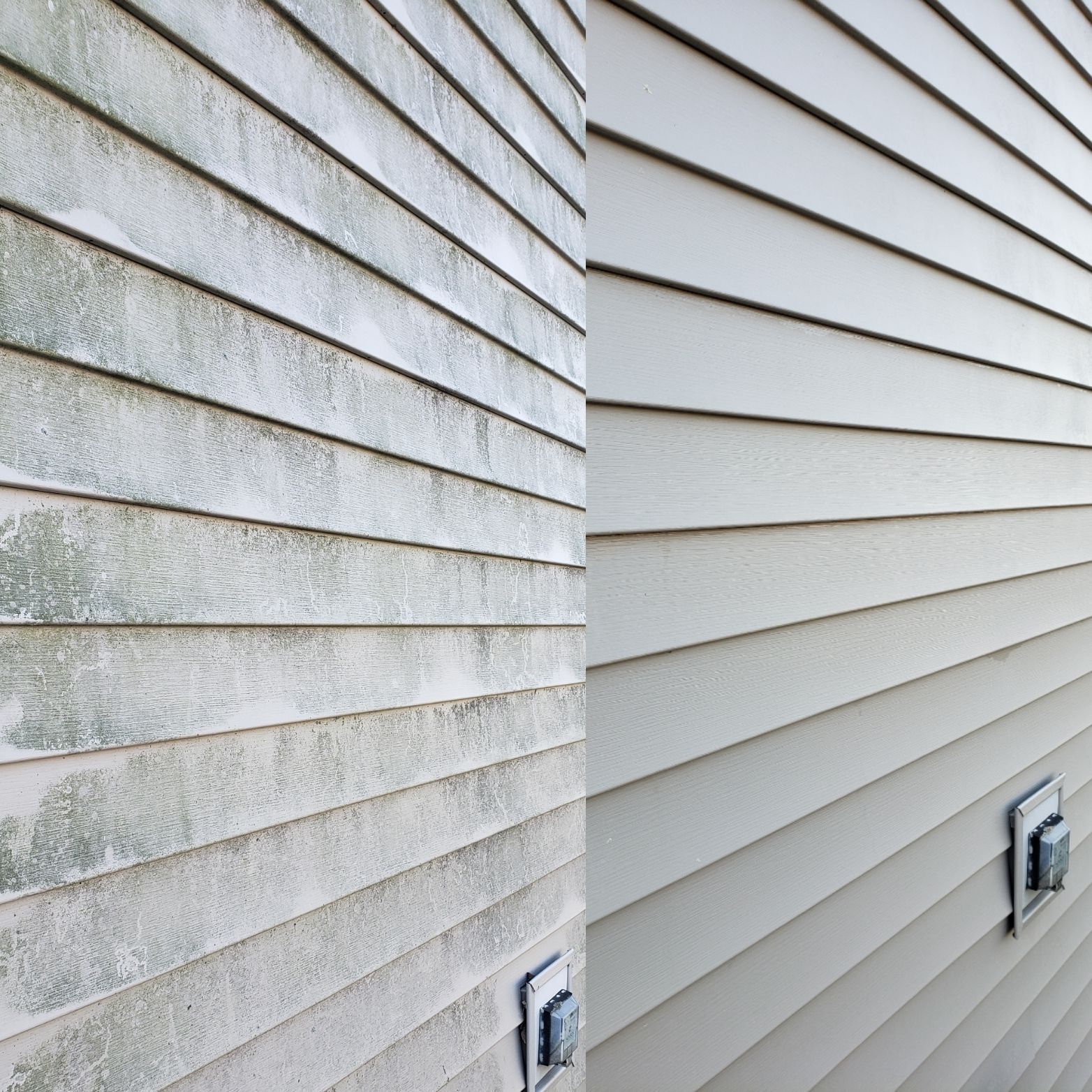
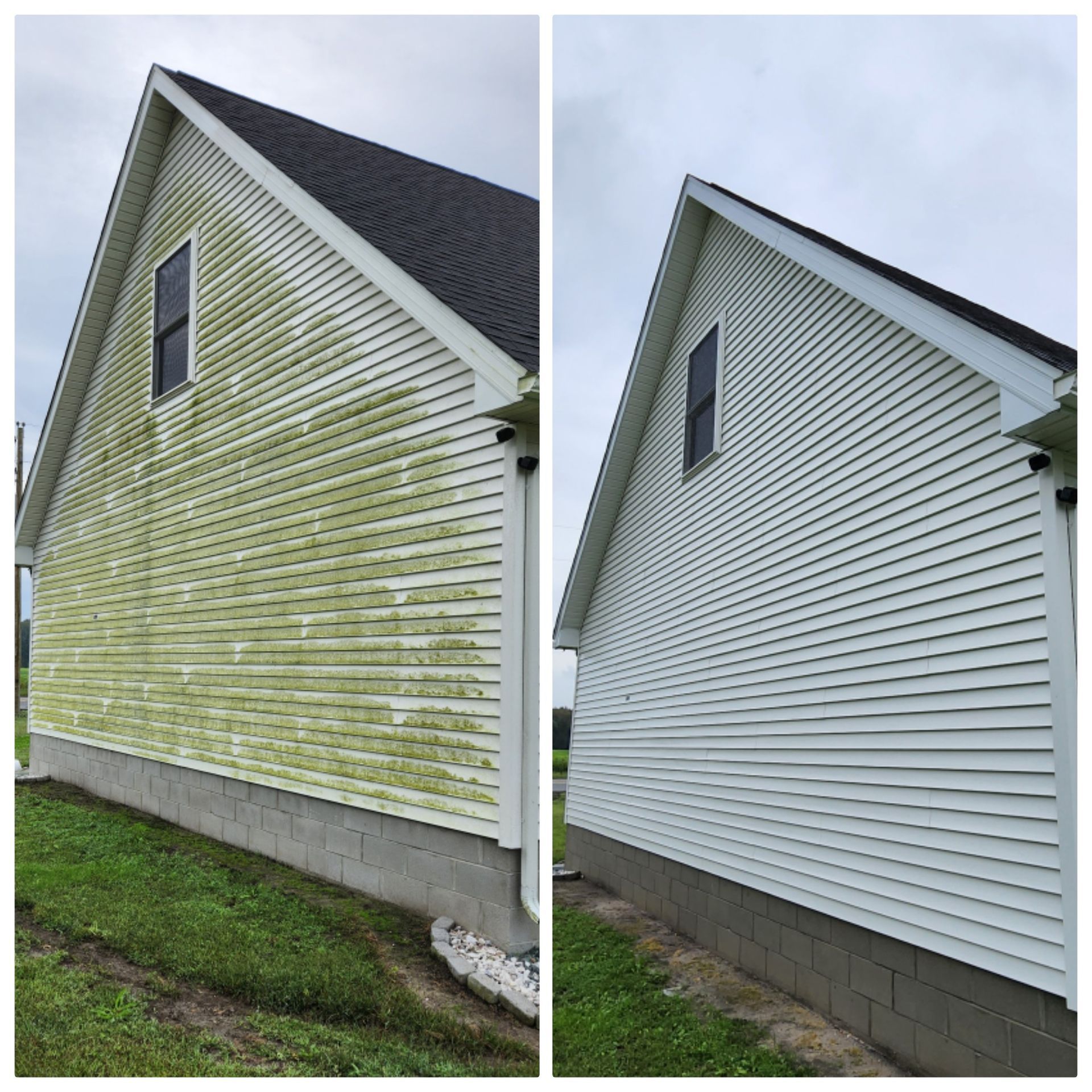
Your Siding Took The Storm Standing Up
Your siding just spent the entire storm outside.
Rain hit it. Wind drove dirt against it. Leaves stuck to it.
And in coastal areas, wind-driven salt and sand can join the party.
The important thing isn't simply getting the siding clean afterward. It's cleaning it appropriately for what it's made of.
Vinyl, aluminum, fiber cement and wood don't necessarily respond to cleaning in exactly the same way.
The storm doesn't care what your siding is made of. We do.
Check The Ground Too
Once you've looked at the house, look down.
Driveways.
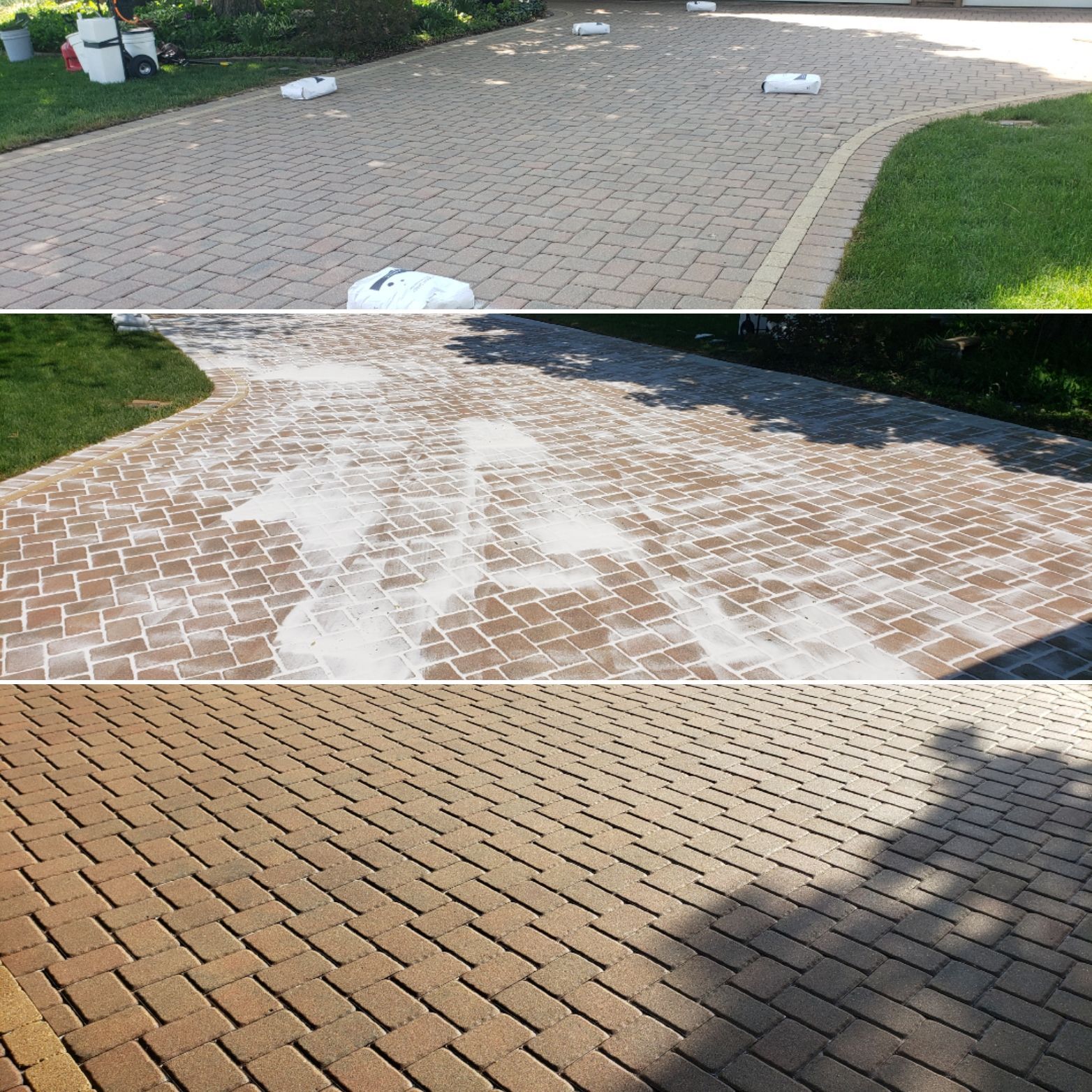
Paver walkways.
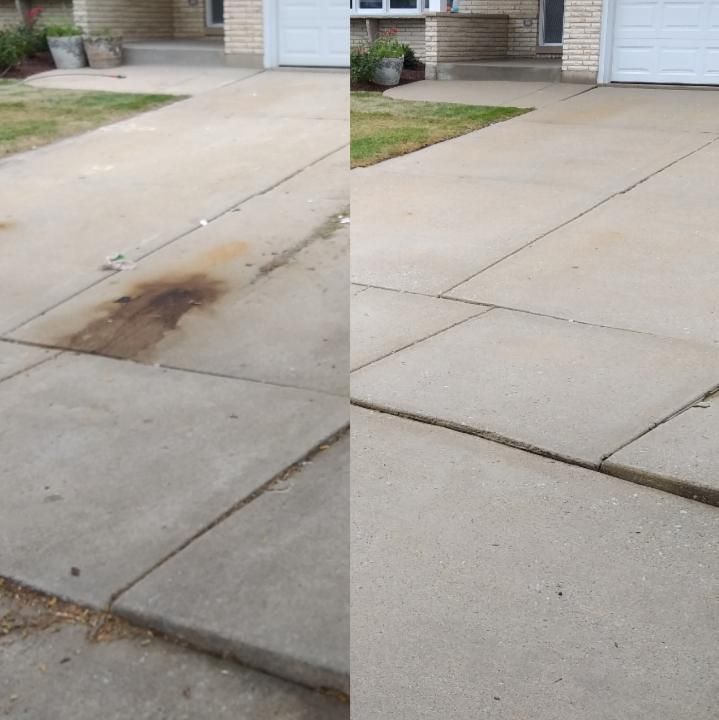
Concrete sidewalks.
Patios.
Pool decks.
Stormwater can move dirt, leaves, mulch, sand and other material across hard surfaces and deposit it somewhere else.
But cleaning those surfaces isn't necessarily a matter of turning up the pressure.
Too much pressure can damage concrete, and improperly cleaning pavers can remove joint sand.
We've already covered both.
Does Pressure Washing Damage Concrete?
Can You Power Wash Pavers Without Removing The Sand?
The point in any case is: Clean the storm off the surface. Don't take the surface with it.
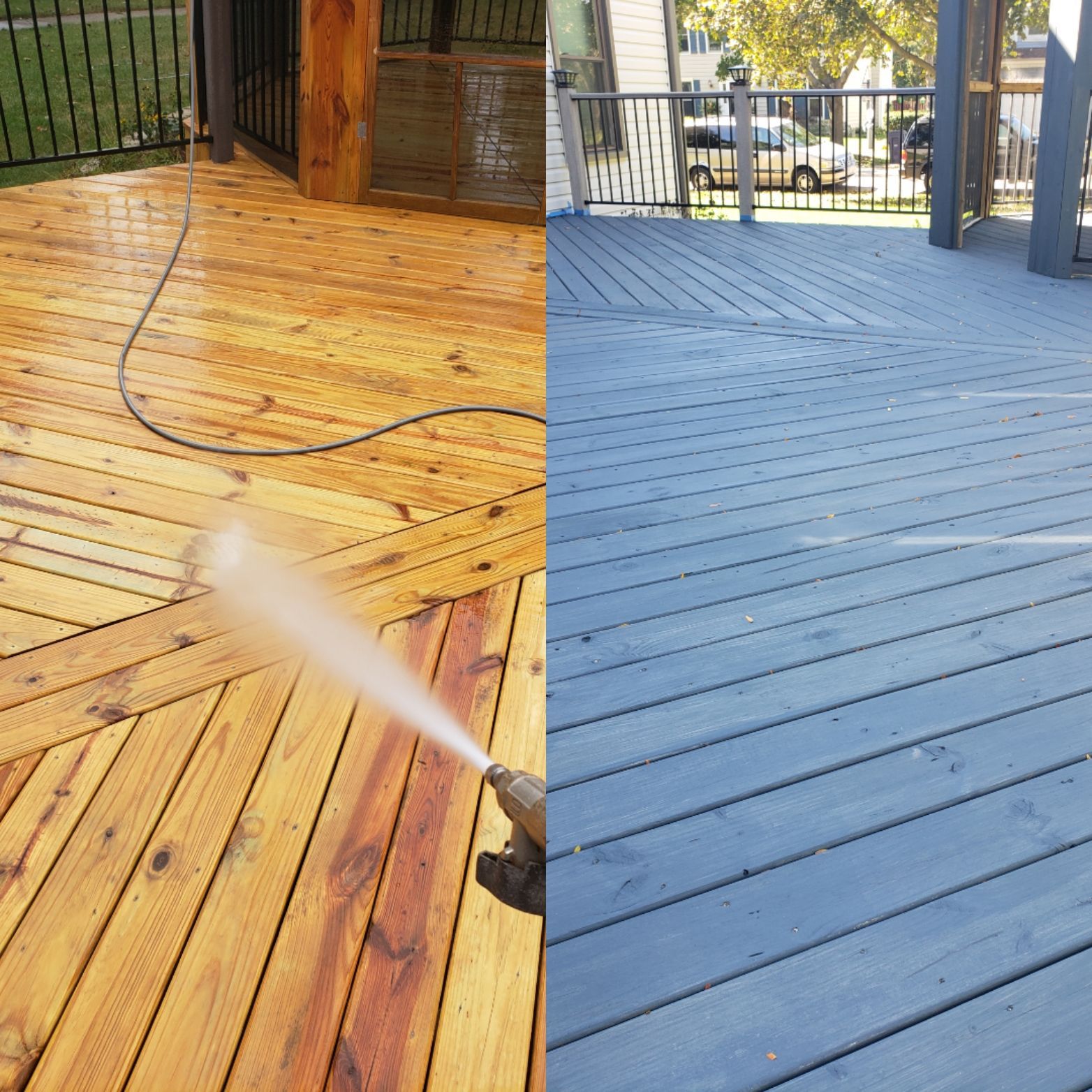
Don't Forget The Deck
Decks can be particularly good storm collectors.
- Leaves get trapped around furniture.
- Debris collects against railings.
- Shaded areas stay wet.
- Dirt gets ground into walking surfaces.
And whatever was already growing in damp areas just got another drink.
Wood, composite and PVC decks also have different cleaning considerations, so storm cleanup shouldn't become an excuse to blast everything with pressure.
- Move the furniture.
- Look underneath.
- Check the corners.
- See what the storm left you.
By the way, we'll do all of this for you.
A Storm Can Also Show You Where The Problems Are
This may be the most useful part of the cleanup.
Pay attention to what happened while it was raining.
- Did a gutter overflow?
- Did water pour over one particular section of the roofline?
- Did one area of the patio collect water?
- Did mulch or dirt wash repeatedly across the same walkway?
- Did water splash dirt onto one section of siding?
- Did debris collect somewhere unexpected?
Cleaning fixes the mess. But sometimes the mess tells you something about the property.
You don't have to diagnose everything yourself. Just notice it.
A big storm is one hell of a water test.
Clean Up What The Storm Left Behind
Storms happen, especially around the Delaware beaches and throughout Sussex County.
Most don't leave behind a disaster. They just leave behind a mess.
- Leaves.
- Mud.
- Dirt.
- Sand.
- Salt.
- Sticks.
- Clogged gutters.
- Dirty siding.
- Messy decks.
- Filthy patios and walkways.
- And whatever else blew in from three houses down.
We can clean it all.
The storm already did its job. Now we'll do ours.